
Septic Tank Installation & Repair
Your Septic System Needs Professional Attention
Septic Installations & Repair in City unavailable for systems that fail inspections or show signs of drainage failure
Mr Septic handles septic installations and repair for both residential and commercial properties when you need a system designed from the ground up or when existing components fail inspection or stop functioning properly. You depend on a septic system that drains consistently, meets health department standards, and handles the daily volume your household or business produces. When distribution boxes crack, inlet lines back up, or lift stations lose pressure, you see standing water near the tank, slow drains throughout the building, or odors that signal a compromised system.
This service addresses failing inlet lines that no longer carry wastewater from the building to the tank, distribution boxes that crack under soil pressure and allow untreated effluent to pool, and lift stations that fail to move wastewater uphill when gravity drainage is not possible. Mr Septic works directly with the health department to ensure every installation follows engineered design specifications and receives the necessary permits before any excavation begins. Whether you are replacing a collapsed drainfield, upgrading an undersized system, or installing a new septic system on a vacant lot, the work involves soil evaluation, system sizing based on occupancy and usage, and coordination with local regulators who verify compliance before the system goes into service.
If your property requires a new septic installation or repair to bring a failing system back into compliance, contact Mr Septic to schedule an evaluation and review the engineered design options that match your site conditions.
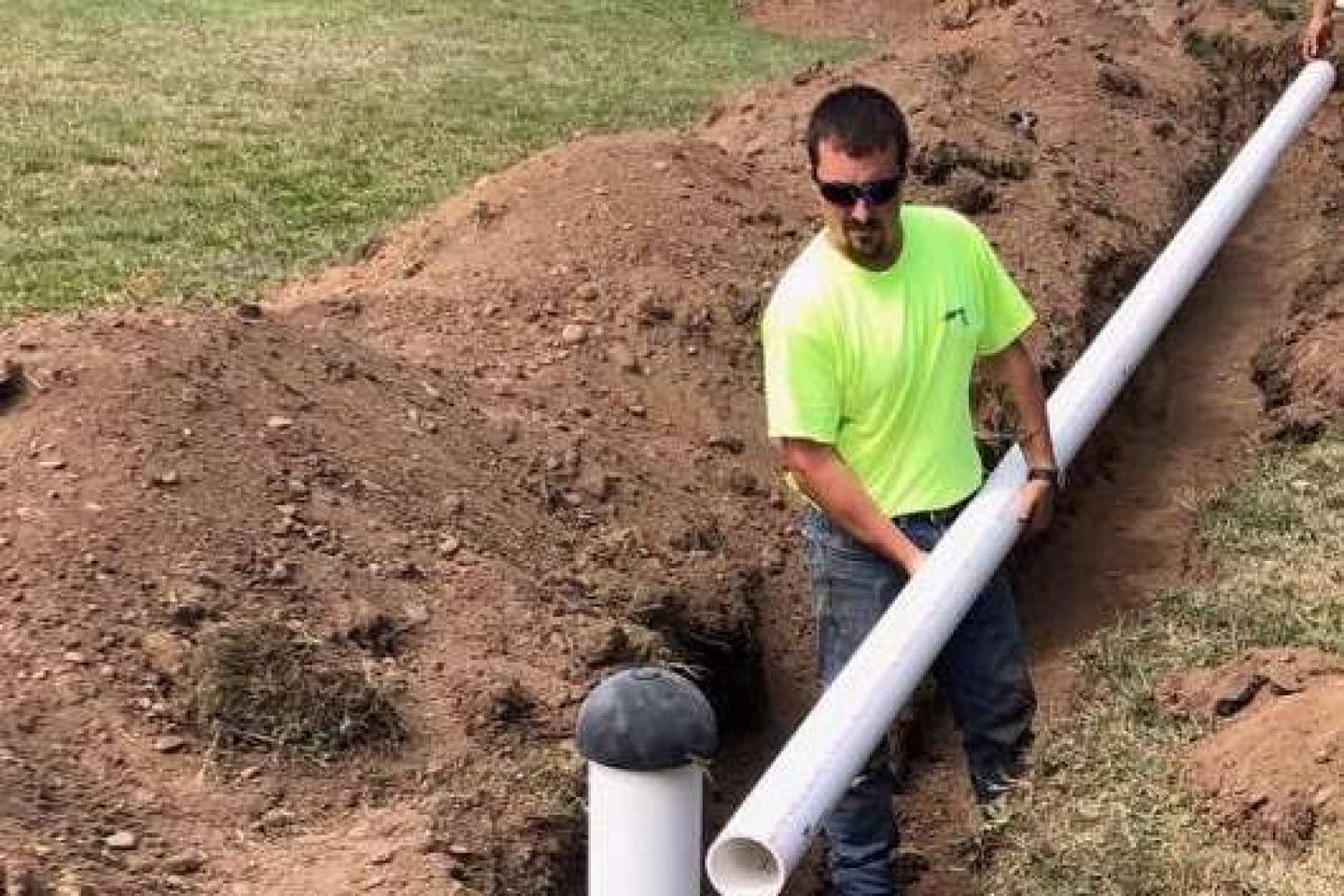
How Installation and Repair Work Restores Full System Function
When you need a septic installation, the process begins with a site assessment that examines soil percolation rates, water table depth, and setback distances from wells, property lines, and surface water. An engineer designs the system to match your building's occupancy load and soil conditions, then submits the plan to the health department for approval before any excavation or material delivery occurs. You work with a system that meets current code requirements and handles the projected wastewater volume without exceeding the drainfield's absorption capacity.
After Mr Septic completes the installation or repair, you notice that drains empty at normal speed, there are no wet spots or odors around the tank or drainfield, and the system passes the final health department inspection required to issue an occupancy permit or close a real estate transaction. Distribution box repairs restore even flow to all drainfield lines, lift station replacements return reliable pumping when the system must move wastewater uphill, and new inlet lines eliminate backups between the building and the tank.
Repairs are limited to the specific components that have failed, and installations follow the engineered design without deviation unless soil conditions during excavation require a plan revision approved by the health department. The service does not include routine pumping or maintenance of systems that are otherwise functioning normally. Mr Septic coordinates all inspections and ensures that permits are finalized before the system is covered and returned to service.
What You Should Know Before Starting a Septic Project
Septic work involves health department oversight, engineered designs, and site-specific conditions that affect system layout and component selection. The following questions address common concerns about installation and repair timelines, regulatory requirements, and what you can expect during the process.
- What does an engineered design include for a new septic installation? The design specifies tank size, drainfield layout, soil treatment area, and all components needed to meet health department standards based on your building's occupancy and the results of soil testing conducted on your property.
- How long does it take to complete a septic installation from permit to final inspection? The timeline depends on permit approval, weather conditions that affect excavation, and the complexity of the system, but most installations proceed from excavation to final inspection within two to four weeks once permits are issued and materials arrive.
- When should you repair a distribution box instead of replacing the entire drainfield? You repair the distribution box when the tank and drainfield lines remain intact but the box itself has cracked or settled, causing uneven flow that leaves some lines dry while others flood.
- Why do lift stations fail and what happens when they stop working? Lift stations fail due to pump motor burnout, float switch malfunction, or electrical issues, and when they stop working, wastewater cannot move uphill from the tank to the drainfield, causing backups inside the building.
- How does working directly with the health department affect the installation process? Direct coordination ensures that the system design, materials, and installation methods meet all local regulations before work begins, and it allows for inspections at each stage so the system receives final approval without delays or rework.
Mr Septic manages the engineering, permitting, and installation process to ensure your septic system meets health department standards and functions reliably for years of daily use. Reach out to discuss your site conditions and start the design process with a system that fits your property and wastewater needs.